Article Content
Introduction
AI has evolved from responding to commands to taking initiative. In 2026, AI agents autonomously plan multi-step tasks, use tools, make decisions, and learn from outcomes. These autonomous workflows are transforming knowledge work across industries, creating demand for professionals who can build and manage these systems.
What Makes AI Agents Autonomous
Goal-Directed Behavior: Agents understand high-level objectives and determine how to achieve them. Instead of explicit instructions for every step, agents plan and execute independently.
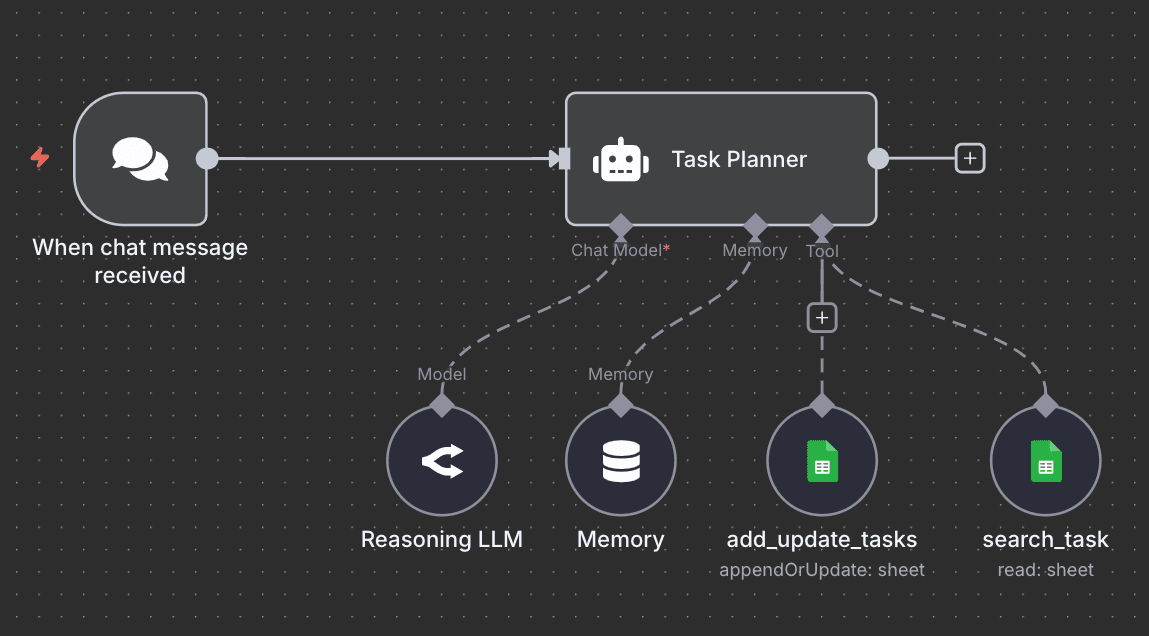
Tool Use: Modern agents access external resources—databases, APIs, web searches, code execution environments. They identify needed information and gather it autonomously.
Multi-Step Planning: Agents break complex tasks into subtasks, execute them sequentially or in parallel, adapt plans when obstacles arise, and learn from experience to improve future performance.
Learning and Adaptation: Agents improve through experience, recognizing patterns in successes and failures to refine decision-making over time.
Autonomous Workflow Applications
Customer Service Automation: AI agents handle inquiries end-to-end—understanding issues, accessing relevant information across systems, generating appropriate responses, creating follow-up tickets, and learning from customer satisfaction scores. Routine inquiries get resolved without human intervention.
Software Development Assistance: AI agents write code from requirements, run tests automatically, debug errors when tests fail, and iterate until functionality works—functioning as autonomous junior developers for well-defined tasks.
Research and Analysis: Agents gather information from multiple sources, synthesize findings across documents, generate comprehensive reports, and identify non-obvious insights—automating knowledge work previously requiring humans.
Business Process Automation: Agents manage workflows across systems—processing invoices, updating records in multiple databases, sending notifications, handling exceptions, and escalating when human judgment is needed.
Challenges in Agent Development
Reliability and Control: Autonomous agents can make mistakes or take unexpected actions. Developers must implement guardrails preventing harmful behaviors, monitoring mechanisms detecting issues, human approval checkpoints for critical actions, and comprehensive logging for accountability.
Cost Management: Agents that autonomously call APIs can consume resources quickly. Cost controls, usage limits, and efficient tool selection become essential for sustainable operations.
Security: Agents with access to systems and data require robust authentication, authorization, and audit trails to prevent abuse or unauthorized access.
How EdJAMON Trains AI Agent Developers
Agent Framework Mastery: Students learn LangChain for agent orchestration, AutoGPT for autonomous task completion, CrewAI for multi-agent collaboration, and custom agent development in Python from scratch.
Build Complete Agent Systems: Real projects create functional autonomous agents. A customer support agent handles multi-turn conversations, accesses knowledge bases, creates tickets, and learns from outcomes. A code generation agent writes functions, tests them, debugs failures, and iterates to working solutions. A research agent gathers information, synthesizes findings, and generates reports.
Tool Integration: Students connect agents to external resources—API integration for data access, web scraping for information gathering, database connections for record management, and code execution environments for dynamic tasks.
Safety and Control: Training emphasizes responsible agent development—implementing guardrails preventing harmful actions, monitoring agent behavior in real-time, creating human approval checkpoints for high-stakes decisions, logging all agent decisions for accountability, and testing agents extensively before deployment.
Multi-Agent Systems: Advanced projects involve coordinating multiple specialized agents—planning agents that design approaches, execution agents that implement plans, verification agents that check results, and coordination mechanisms managing collaboration between agents.
Cost Optimization: Students learn to implement usage limits, choose efficient tools, cache results to avoid redundant calls, and monitor spending across autonomous operations.
Production Deployment: Projects include deploying agents to production environments, monitoring performance and costs, handling errors gracefully, and maintaining agents over time.
Real-World Skills
Graduates can design agent architectures for complex tasks, implement agents using industry frameworks, integrate agents with business systems, ensure agent safety and reliability, manage costs of autonomous operations, and deploy agents to production environments.
Conclusion
AI agents represent the future of automation—handling complex, multi-step workflows with minimal supervision. EdJAMON prepares professionals to build these autonomous systems responsibly and effectively through hands-on projects and comprehensive safety training.
Topics & Tags
AIAgentsAutonomousWorkflowsAgenticAIMultiAgentSystemsLangChainAutoGPTCrewAIAIAutomationAIOrchestrationIntelligentAgentsAIArchitectureAICostOptimizationAIIntegrationFutureOfWork